
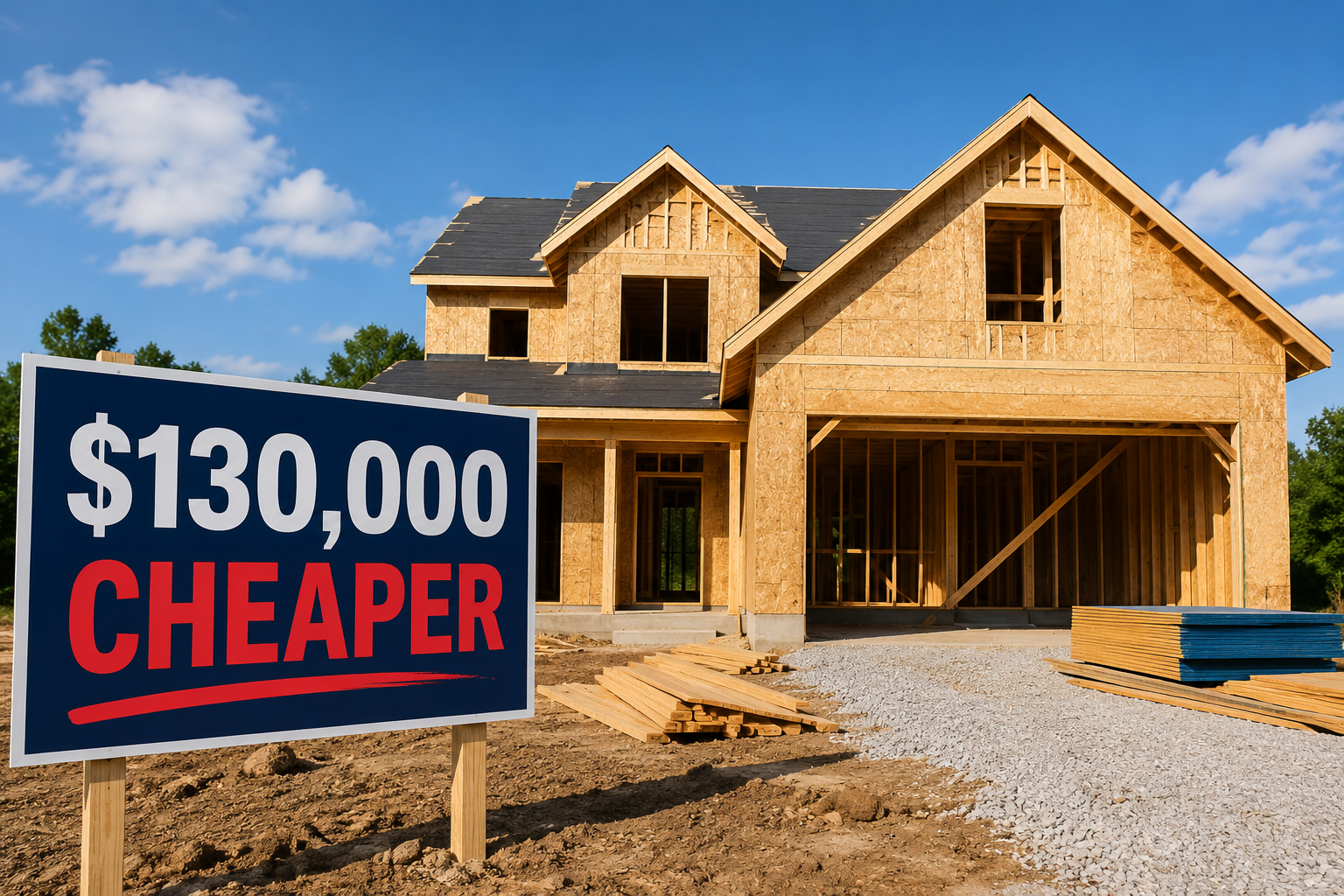
Are you dreaming of a custom-built home in the vibrant city of Guelph, tailored precisely to your family's needs and lifestyle? If so, there's a critical window of opportunity you absolutely cannot afford to miss. Building your dream Guelph home before 2027 could save you a staggering $130,000, making homeownership more accessible and your vision more attainable. This guide will walk you through the specific factors contributing to these savings, what you need to know about the Guelph market, and how to strategically plan your custom build to maximize this unique financial advantage.
In This Guide
- →Why 2027 is a Critical Deadline for Guelph Home Builders
- →Understanding the $130,000 Savings Opportunity
- →Navigating Land Acquisition in Guelph
- →Key Steps to Building Your Custom Home
- →Financing Your Guelph Custom Build
- →Expert Tips for a Smooth Construction Process
Why 2027 is a Critical Deadline for Guelph Home Builders
The year 2027 marks a significant shift in the financial landscape for new home construction in Guelph, primarily due to impending changes in development charges and taxation policies. Municipalities like Guelph levy development charges on new construction to help fund the infrastructure and services required to support growth, such as roads, sewers, parks, and community facilities. These charges are periodically reviewed and adjusted, and a substantial increase is anticipated for 2027. This means that any new home construction project that has not reached a certain stage of completion or approval by the end of 2026 will likely be subject to these higher fees, directly impacting your overall project cost. Understanding this deadline is paramount for anyone considering a custom build in the near future.
The Impact of Development Charge Increases
Development charges can represent a significant portion of the total cost of building a new home. When these charges increase, the burden falls directly on the homeowner or developer. For Guelph, the projected increase for 2027 is substantial, potentially adding tens of thousands of dollars to your build. This isn't just about the direct fee; it can also influence other costs, such as financing, as the total project value rises. Planning your build to secure permits and begin construction before these new rates take effect is the most effective way to lock in current, lower development charges and realize substantial savings. This strategic timing is a cornerstone of the $130,000 savings opportunity.
Understanding the $130,000 Savings Opportunity
The $130,000 savings figure is not an arbitrary number; it's an estimate derived from a combination of factors, primarily the anticipated increase in development charges and potential shifts in the cost of materials and labor. While the exact figure can vary based on the size and complexity of your home, this estimate provides a clear picture of the financial incentive to act now. The bulk of these savings comes from avoiding the higher development charges slated for 2027. Additionally, by initiating your project sooner, you may also mitigate risks associated with future inflation in construction material costs and labor rates, which have been volatile in recent years. Securing your project's timeline now can protect your budget from these unpredictable market fluctuations.
Breaking Down the Potential Savings
- →Development Charges: The most significant component of the savings, estimated to increase by a substantial amount in 2027. By getting your permits and starting construction before this date, you pay the current, lower rates.
- 💰Material Costs: While harder to predict, historical trends show a general upward trajectory. Starting sooner can mean purchasing materials at today's prices, avoiding future price hikes.
- →Labor Costs: Similar to materials, labor rates can increase over time. Locking in contracts with builders and trades earlier can help secure current pricing.
- 💰Financing Costs: A lower overall project cost means a smaller mortgage, leading to less interest paid over the life of the loan. This long-term saving adds to the immediate benefits.
Navigating Land Acquisition in Guelph
Finding the right piece of land is the foundational step to building your dream home in Guelph. The city offers a diverse range of options, from infill lots in established neighborhoods to larger parcels on the outskirts. However, available land can be competitive, and understanding the nuances of Guelph's zoning bylaws and development potential is crucial. Working with a local real estate expert who specializes in land sales and custom builds can provide invaluable guidance. They can help identify suitable lots, assess their development potential, and navigate the purchasing process, ensuring the land meets your specific building requirements and budget. Remember, the clock is ticking towards 2027, so securing your land promptly is a key part of the strategy.
Key Considerations for Land Purchase
- →Zoning and Permitting: Verify the zoning of the lot to ensure it allows for the type and size of home you plan to build. Understand the local permitting process and timelines.
- →Servicing: Confirm that the lot has access to essential services like water, sewer, electricity, and natural gas. Unserviced lots will incur significant additional costs for infrastructure.
- →Topography and Soil: Assess the land's slope, soil composition, and potential for drainage issues. These factors can impact foundation costs and overall build complexity.
- 📍Location and Amenities: Consider proximity to schools, parks, transportation, and other amenities that are important to your lifestyle.
- 📍Future Development: Research any planned developments in the surrounding area that could impact your property value or quality of life.
Key Steps to Building Your Custom Home
Building a custom home is a multi-stage process that requires careful planning and execution. Once you've secured your land, the next steps involve design, permitting, and construction. Engaging an experienced architect or home designer is crucial to translate your vision into detailed blueprints that meet local building codes. Following design, obtaining the necessary building permits from the City of Guelph is a critical milestone. This process can take time, so starting early is essential, especially with the 2027 deadline in mind. Finally, selecting a reputable builder who understands the Guelph market and has a proven track record of quality construction will ensure your project stays on track and within budget.
The Custom Build Journey
- 1.Define Your Vision & Budget: Clearly outline your home's size, style, features, and establish a realistic budget.
- 2.Assemble Your Team: Hire an architect/designer, and a reputable general contractor or custom home builder.
- 3.Design & Blueprints: Work with your architect to create detailed plans, ensuring they comply with Guelph's building codes.
- 4.Permit Application: Submit your plans to the City of Guelph for building permits. This is a critical step for locking in current development charges.
- 5.Site Preparation: Clear the land, excavate, and lay the foundation.
- 6.Framing & Enclosure: Erect the frame, install roofing, windows, and doors to make the structure weather-tight.
- 7.Rough-Ins: Install plumbing, electrical, and HVAC systems.
- 8.Finishing Touches: Complete insulation, drywall, flooring, cabinetry, and exterior landscaping.
- 9.Final Inspections & Occupancy: Obtain final inspections and an occupancy permit before moving in.
Financing Your Guelph Custom Build
Financing a custom home build differs significantly from purchasing an existing property. Instead of a single mortgage disbursement, construction loans are typically structured as progress draws, where funds are released at various stages of construction. This requires careful budgeting and management to ensure funds are available when needed. It's essential to work with a lender who specializes in construction financing and understands the unique requirements of a custom build in Guelph. They can help you navigate the process, from pre-approval to final mortgage conversion, ensuring you have the financial support to complete your project without undue stress. Understanding the financial implications of the 2027 deadline is also key here, as a higher overall project cost will translate to a larger loan and potentially higher interest payments over time.
Understanding Construction Loans
- →Progress Draws: Funds are disbursed in stages as construction milestones are met (e.g., foundation complete, framing complete, lock-up).
- →Interest-Only Payments: During construction, you typically pay interest only on the funds drawn, converting to a standard mortgage upon completion.
- →Appraisal & Inspections: Lenders will require appraisals of the proposed home and inspections at each draw stage to ensure progress aligns with the loan agreement.
- 💰Contingency Fund: Always budget for a contingency fund (10-15% of total cost) to cover unexpected expenses or changes during construction.
- →Pre-Approval: Secure pre-approval for your construction loan early in the process to understand your borrowing capacity.
Expert Tips for a Smooth Construction Process
Building a custom home can be an incredibly rewarding experience, but it also comes with its challenges. A smooth construction process hinges on clear communication, meticulous planning, and proactive problem-solving. Regularly communicate with your builder, architect, and tradespeople to ensure everyone is aligned with your vision and timeline. Be prepared for unexpected issues and maintain a flexible mindset. Having a detailed contract with your builder that outlines timelines, costs, and responsibilities is non-negotiable. Furthermore, consider engaging an independent home inspector at key stages to provide an unbiased assessment of the quality of work. By staying organized and informed, you can minimize stress and ensure your Guelph dream home is built to the highest standards.
Maximizing Your Build Efficiency
- →Clear Communication: Establish regular meetings and clear communication channels with your entire build team.
- →Detailed Contract: Ensure your builder's contract is comprehensive, covering scope, timeline, payment schedule, and change order procedures.
- →Site Visits: Conduct regular site visits to monitor progress and address any concerns promptly.
- →Contingency Planning: Always have a financial contingency for unforeseen issues or desired upgrades.
- →Quality Control: Consider third-party inspections at critical stages (e.g., foundation, framing, pre-drywall) for peace of mind.
- →Energy Efficiency: Incorporate energy-efficient designs and materials from the outset to save on long-term utility costs.
Key Takeaways
- →Building a custom home in Guelph before 2027 offers a significant opportunity to save up to $130,000.
- →The primary driver for these savings is avoiding anticipated increases in municipal development charges.
- →Securing your land and obtaining building permits before the end of 2026 is crucial to lock in current rates.
- 💰A successful custom build requires careful planning, a clear budget, and a strong team of professionals.
- →Understanding construction financing and budgeting for contingencies are vital for a smooth project.
- →Proactive communication and quality control measures will ensure your dream home meets your expectations.
Frequently Asked Questions
What are development charges and why are they increasing in Guelph?
Development charges are fees levied by municipalities on new construction to help fund infrastructure and services. They are increasing in Guelph due to rising costs of growth-related infrastructure and periodic reviews of municipal financial plans.
How much can I realistically save by building before 2027?
While the exact amount varies, estimates suggest savings of up to $130,000, primarily from avoiding higher development charges and potentially locking in current material and labor costs.
What's the first step to building a custom home in Guelph?
The first step is to define your vision and budget, then secure a suitable piece of land. Following that, assemble your team of an architect/designer and a reputable builder.
How long does it typically take to build a custom home in Guelph?
The timeline can vary significantly based on complexity, but generally, from design to move-in, it can take anywhere from 12 to 24 months. Permitting alone can take several months.
Do I need a special type of mortgage for a custom build?
Yes, you will need a construction loan, which differs from a standard mortgage. Funds are disbursed in stages (progress draws) as construction milestones are met.
Can I use my own contractors for different parts of the build?
While possible, it's often more efficient to work with a general contractor who manages all trades. If you self-manage, ensure you have the expertise and time to coordinate effectively.
Watch the Full Video
For a deeper dive with visual examples, watch the complete video above. https://www.youtube.com/watch?v=rG0Wm7MidL0
Ready to Take the Next Step?
Building your dream home in Guelph is a significant undertaking, and with the 2027 deadline approaching, strategic planning is more important than ever. Whether you're just starting to explore land options or ready to begin the design phase, I'm here to make the process simple and stress-free.
- →� Schedule a free, no-pressure consultation to discuss your goals and get personalized advice on navigating Guelph's custom home building landscape before this incredible savings opportunity passes.
Or explore more guides and local insights on my blog to keep learning at your own pace.
Check out this article next