

Moving to Guelph – What’s Next?
A Practical Guide After You Decide to Relocate to Guelph, Ontario
So you’ve made the decision.
You’re moving to Guelph.
Maybe you’re leaving Toronto.
Maybe you’re coming from Kitchener-Waterloo.
Maybe you just discovered this city and thought, “Wait… this actually makes sense.”
Now comes the real question:
Okay… now what?
If you’re planning on relocating to Guelph, Ontario, here’s what actually happens next — not the fluffy brochure version, but the real, boots-on-the-ground version.
Step 1: Understand the Guelph Real Estate Market (Before You Fall in Love)
One of the biggest mistakes people make when moving to Guelph is browsing homes emotionally before understanding the numbers.
Guelph real estate moves in pockets.
Entry-level homes (townhouses, semis under $800K) often see strong competition.
Detached homes in the $900K–$1.2M range are active but strategic.
Luxury homes behave differently.
Student rentals near the University of Guelph are their own ecosystem entirely.
Before you book showings, you need:
A mortgage pre-approval
Clarity on your monthly comfort level
A realistic understanding of property taxes and closing costs
Awareness of how conditions work in this market
Because in Guelph, the difference between “we love it” and “we got it” is preparation.
And preparation wins every time.
Step 2: Choose the Right Guelph Neighbourhood (They’re Not All the Same)
People often search:
Best neighbourhoods in Guelph
Family-friendly areas in Guelph
South end vs East end Guelph
Is Guelph safe?
And the truth is — the feel changes block by block.
South End Guelph


Newer builds
Close to the 401
Popular with commuters
Higher density
Strong resale demand
This area has grown quickly and feels modern. Some call it a “mini Toronto.” Convenient? Absolutely. Quiet and quaint? Not always.
Downtown Guelph
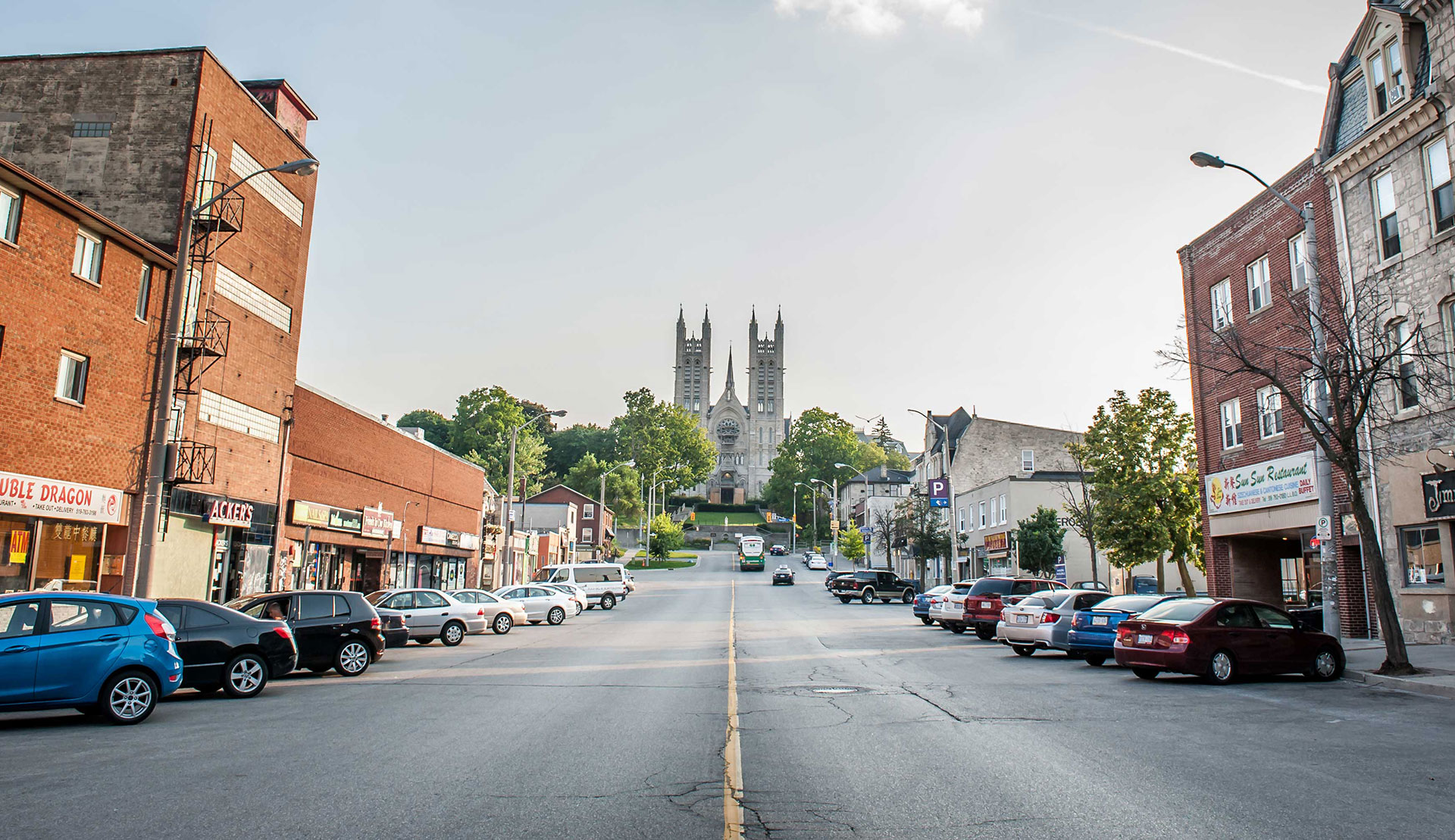


Historic charm
Walkability
Restaurants & cafés
Character homes
The Basilica skyline
If you love community energy and being able to grab coffee without driving, downtown might speak your language.
East End & Mature Neighbourhoods

Larger lots
Established trees
Family-oriented
Often quieter
These pockets feel more traditional and rooted. Great for families who want space and stability.
Step 3: Factor in the Lifestyle Shift
Moving to Guelph isn’t just about square footage.
It’s about lifestyle.
You’re trading:
Longer commutes for more green space
Condo living for backyards
Traffic for trails
Guelph is known for its interconnected parks, conservation areas, and strong community feel. Whether you’re walking trails, heading to local cafés, or catching youth sports on weekends — this city leans into family life.
But it’s important to ask yourself:
Are you commuting daily?
Working remotely?
Downsizing?
Moving up?
Your stage of life should shape your neighbourhood choice.
Step 4: Get Your Financing Locked In
This is the part people underestimate.
If you’re relocating to Guelph from Toronto, you may be selling first. Timing matters.
If you’re moving from out of town, lenders may need:
Employment verification
Remote work confirmation
Updated debt ratios
Sale conditions
And in competitive price brackets, sellers want confidence.
When buyers lose in Guelph, it’s rarely because they didn’t love the house.
It’s because they weren’t fully ready.
Step 5: Understand Closing Costs in Ontario
When moving to Guelph, buyers should budget for:
Land transfer tax (with first-time buyer rebates available in Ontario)
Legal fees
Title insurance
Home inspection
Moving costs
Utility transfers
If you’re relocating from Toronto, the land transfer tax structure may feel familiar — but planning ahead prevents surprises.
Step 6: Prepare for Offer Strategy
The Guelph housing market has seasons.
Some weeks feel calm.
Other weeks? Bidding wars return quickly — especially in lower price ranges.
Offer strategy matters:
Irrevocable timelines
Conditions (financing, inspection)
Deposit strength
Flexible closing dates
This is where experience helps you avoid emotional decisions.
Because once you’re in a competitive situation, clarity matters more than excitement.
The Bigger Picture: Why People Are Moving to Guelph
Common reasons I hear:
“We want more space.”
“We want a safer, community-oriented city.”
“We want to be within commuting distance of Toronto.”
“We want better value per square foot.”
And honestly?
Guelph delivers on those — if you buy strategically.
Final Thoughts: Moving to Guelph – What’s Next?
If you’re serious about relocating to Guelph, here’s your practical checklist:
Get pre-approved.
Define your monthly comfort number.
Narrow your neighbourhood options.
Understand the local market timing.
Build a strategy before touring homes.
The goal isn’t just to move to Guelph.
The goal is to move well.
And if you do it right, you won’t just land in a new house — you’ll land in the right community.
If you're considering a move and want local, on-the-ground insight into Guelph real estate, neighbourhood comparisons, or pricing strategy, reach out.
Moving is a big step.
Let’s make sure the next one is the right one.
Check out this article next